
The expansion of an independent digital publisher from a basic blogging framework into an elite corporate brand depends directly on the selection of underlying operational software tools. While millions of web developers rely exclusively on mainstream utilities that handle basic caching layouts or generic text blocks, true system optimization involves deploying advanced technical extensions that operate silently behind the dashboard. These hidden optimization mechanisms alter how data databases process background queries, how rendering scripts handle consumer requests, and how monetization elements display visual ads. Moving past basic application defaults and utilizing specialized modular additions unlocks massive hidden potential, lowering host server stress metrics while elevating your global search discoverability.
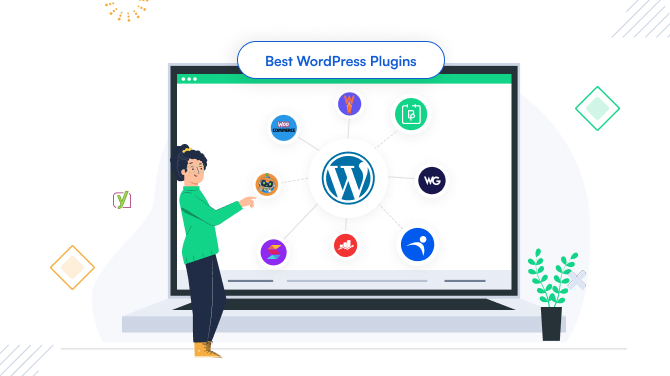
Implementing these lesser-known performance enhancements completely transforms the administrative workflow and structural architecture of a modern platform. By focusing on database indexing, deep layer security hiding, semantic block variations, and automated script routing, your enterprise can achieve flawless Core Web Vitals marks that guarantee high ad payouts.
Architectural System Refinement and Transforming the Administrative Workspace
A primary technical issue that bogs down expanding publishing platforms is the gradual compilation of visual clutter, unorganized asset uploads, and chaotic dashboard menu blocks. When editorial teams spend excessive time navigating disorganized media tables or hunting for specific template settings, daily content production schedules drop significantly. Utilizing an advanced, white-label system management addition completely reconstructs this baseline framework without altering your active design theme.
Advanced admin toolkits like WP Adminify provide powerful layout modifications that replace the traditional, static WordPress backend panel with a highly organized, fluid layout structure. These systems include structural layout separation, interactive item grouping, and direct media file organization systems that function similarly to desktop computer files.
Writers can organize thousands of existing articles, graphic elements, and configuration scripts into distinct virtual directories using native drag and drop movements. This radical administrative streamlining reduces backend server resource drain and creates a distraction-free writing space, allowing authors to publish high-impact tutorials faster and capture organic search trends before their competitors.
Securing Digital Assets and Enhancing Performance Through Strategic Perimeter Hiding
The immense global footprint of the WordPress architecture makes it an incredibly frequent target for global botnets, automated tracking systems, and automated brute force entrance sweeps. Standard structural paths like the default administrative entry screen or the common content media directories are public knowledge, allowing malicious scanning applications to test security flaws continuously. While standard security utilities focus exclusively on basic access blocks after a threat arrives, an advanced method involves hiding your systemic identity footprint entirely from external network scanners.
Deploying highly specialized site hardening utilities like Hide My WP Ghost or advanced security maskers completely alters the visible source code of your web application. These systems dynamically rewrite common directory links, masking core script locations, theme paths, and active development extensions under completely randomized, neutral URL streams.
When a malicious bot sweeps your domain looking for software version vulnerabilities, it encounters a clean error message or a standard static page layout. This deliberate security obfuscation reduces automated hack attempts by up to ninety percent, dramatically dropping the main host server’s central processing unit loads and preserving vital system assets for genuine human visitors.
Maximizing Editorial Customization via Next Generation Block Extensions
The evolution of the default block editor into a comprehensive site design engine requires the strategic addition of lightweight, highly responsive theme blocks that avoid dragging down loading speed scores. Many web platform managers make the mistake of installing massive, separate drag and drop visual builders that load extensive external stylesheet sheets and block the main rendering thread. This technical bloat delays text delivery speeds, ruining your search console rankings and creating a frustrating visitor loop.
Utilizing clean, block-based extending libraries like Superb Addons or Spectra introduces a wealth of high-performance narrative blocks directly into the native editor system. These additions offer advanced styling options, including sticky sidebar matrices, dynamic countdown tools, and highly responsive section visibility rules without injecting messy background script code.
Publishers can specify exactly which content blocks display on mobile phones versus high-resolution desktop monitors, creating an ultra-customized user journey. Embracing these native block modifiers allows authors to construct captivating case studies and visual reviews that hold visitor attention span metrics, maximizing your AdSense page view duration metrics.
Automated API Integrations and the Elimination of Third-Party Middleware Latency
As an independent digital publishing brand expands, it inevitably needs to sync data across external marketing platforms, consumer tracking networks, and internal storage clouds. Relying on heavy, third-party subscription middleware channels to transfer transactional logs or contact form submissions introduces dangerous points of failure and persistent script processing delays. The modern performance methodology requires embedding direct, server-level automation pathways straight inside the core database environment.
Advanced automation additions like Bit Integrations resolve this architectural bottleneck by establishing direct, lightweight webhook pipelines connecting your local forms to over three hundred external processing networks. When a human visitor registers for a technical guide or completes an interactive questionnaire, the data packet is processed and routed instantly at the hosting layer without touching slow intermediary scripts.
This immediate data synchronization shortens processing queue lines, keeps database rows perfectly clean, and prevents external tracking scripts from freezing your visual page layout. Eliminating execution lag ensures that ad placements render immediately as users scroll, driving up conversion metrics.
Advanced Image Rendering via Server Edge Compression and Fluid WebP Transformations
The most massive data asset category weighing down expanding informational blogs is almost always your high-resolution media attachment libraries. While clear photography and customized vector diagrams are critical to explain complex educational concepts, serving unoptimized raw images quickly ruins server bandwidth and causes severe mobile interaction lag. Resolving this performance drain requires using localized, background compression additions that modify files at the exact moment of upload.
Integrating a premium, background media optimizer like ShortPixel or Optimole changes how your server manages visual assets. These utilities run automated, lossy compression routines that reduce overall file weights by up to ninety percent while preserving exceptional visual clarity on crisp retina screens.
Furthermore, the system automatically translates old formats into next-generation WebP or AVIF delivery codes while executing real-time scaling based on the viewer device dimensions. Delivering beautifully optimized images through integrated content delivery networks guarantees immediate page display results, keeping bounce tracking rates extremely low and ensuring full compliance with premium search engine visibility benchmarks.